UNIGE and UZH just launched their new call for projects 2021-2022 on the following theme: “Engaging Science and Society for More Resilience”. Four to eight projects will be selected, with a grant of min. 20’000 to max. 30’000 each. The deadline for the application is 9 January 2022.

The theme selected echoes the many challenges that the society as a whole is facing at the moment. With several successive global crises, may it be in terms of health, climate, biodiversity, economy and many others, inclusive solutions are needed more than ever.
To help build this crucial path towards resilience, special attention will be given to projects that foster the dialogue between science and society and/or politics. The funding scheme is open to all academic disciplines. The proposals can be focused on a single discipline or be of interdisciplinary character.
They may, for example, tackle the following questions (non-exhaustive list):
- How to engage society in finding solutions for tackling the challenges facing us?
- How can science be better utilized to make societies more resilient?
- How does science impact society and politics (and vice-versa)?
For all additional information, visit the project submission platform.
The post New call for projects: “Engaging Science and Society for More Resilience” appeared first on UZH - UNIGE.
]]>The importance of open science has become more and more salient in the past few years. Prof. Evie Vergauwe and Dr Alessandra Souza have contributed to this field in their project Swiss Open Psychological Science Initiative (SOPSI) by providing an opportunity to train young researchers in a sustainable way and to create a culture of open, collaborative science among Swiss-based psychologists.
Fostering open science and reproducibility
Despite the ongoing efforts to promote open science in Switzerland, Prof. Evie Vergauwe and Dr Alessandra Souza are convinced there is room for more, especially when comparing Switzerland to other countries such as the Netherlands or the UK that have been pushing continuously in this field. Both researchers took the opportunity of the seed funding scheme within the UNIGE-UZH strategic partnership to promote open science in their field.
With the aim to understand the current situation at the University of Geneva as well as the University of Zurich, but also more broadly within the Swiss landscape with regards to open science and reproducibility, Prof. Evie Vergauwe and Dr Alessandra Souza created a survey which was directed at all universities. This, in turn, gave an understanding of “what people thought concerning open science and what were their wishes with regards to training in this area”, agree both.
Equipped with this understanding, Prof. Vergauwe and Dr Souza planned and organised two workshops, in Zurich and Geneva, that targeted the areas mentioned in the survey, such as Bayesian statistics, preregistration, and open data and open materials.
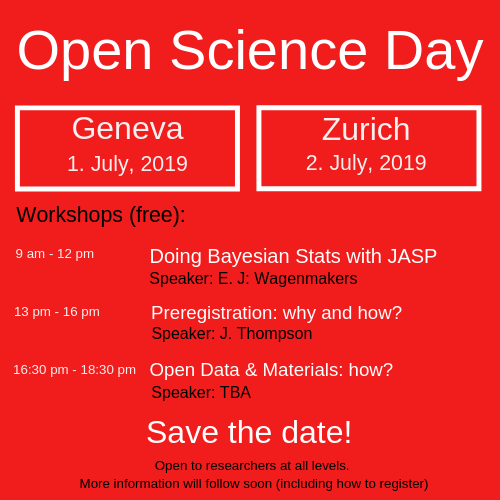
Although the workshops were primarily targeted at psychology, there were attendees from other fields as well. “Open Science needs to be an integrated part of the university and what we teach,” says Dr Souza. Given the interest and success of the workshops, “events like this could happen about every second year or so to keep up the progress and assess and learn how people are actually incorporating the practices into their research lifecycles,” remarks Prof. Vergauwe.
Moreover, the workshop brought forward other aspects as well, and included university staff not strictly limited to researchers: members of ethics committees, librarians, and data protection specialists. Different participants involved have different viewpoints on the same topic. With regards to the open data and data protection, for example, room was created to discuss and see the challenges the different actors face in their work and “fostered understanding between each other,” acknowledges Prof. Vergauwe.
The multiplier effect
Joining forces between the two universities and organising the events together made the workshops not only a university affair but more profoundly a Swiss endeavour. This created a wider interest, made it more attractive and its impact even bigger.
“the impact would have been much smaller if we would have done it just within one university” – Dr Alessandra Souza
More broadly, collaborating within the strategic partnership between UNIGE and UZH facilitated the work together, be it in terms of infrastructure or organisation of the events, as it could be directed at the specific culture and departments, in order to bring people together and create a network that could support each other.
These events have, moreover, catalysed further projects. With the support of Prof. Vergauwe, the Swiss Reproducibility Network was created together with Prof. Leonhard Held (University of Zürich) and Prof. Hanno Würbel (University of Bern), similar to the reproducibility network in the UK. The goal of this network is similar to that of SOPSI: to foster open science, better and reproducible science, but in a more interdisciplinary manner, involving different universities as well as different fields. With this in mind, the aim is to create international networks. Portugal, for instance, is a country working eagerly to this pursuit, now also with the efforts of Dr Souza who is currently a researcher at the University of Porto. She has been working to foster open science in her current department as well as creating a similar national Portuguese network. She will also represent Portugal in the European Summit which will take place in Bern, Switzerland in September 2021.
Both Dr Souza and Prof. Vergauwe are keen to encourage other countries to create similar networks with the goal of fostering Open Science and reproducibility networks not only in the field of psychology, but also with a more transversal and diverse approach.
Find out more about the work of the researchers:
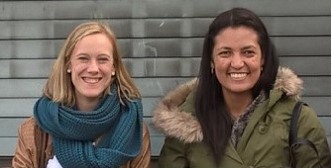
Prof. Evie Vergauwe, Dr Alessandra Souza
Picture Credit: Alessandra Souza, Evie Vergauwe
The post On the path to transparent and reproducible science: Swiss Open Psychological Science Initiative (SOPSI) appeared first on UZH - UNIGE.
]]>In their project “Language and interpretation skills for Zurich and Geneva law students”, Professor Marc Thommen and Professor Yvan Jeanneret promote academic mobility by organising exchanges for teaching staff between the University of Geneva and the University of Zurich. The participants from Geneva teach law lectures in French in Zurich, and vice versa. In an interview, the two professors reveal the host of benefits brought up by these exchanges.
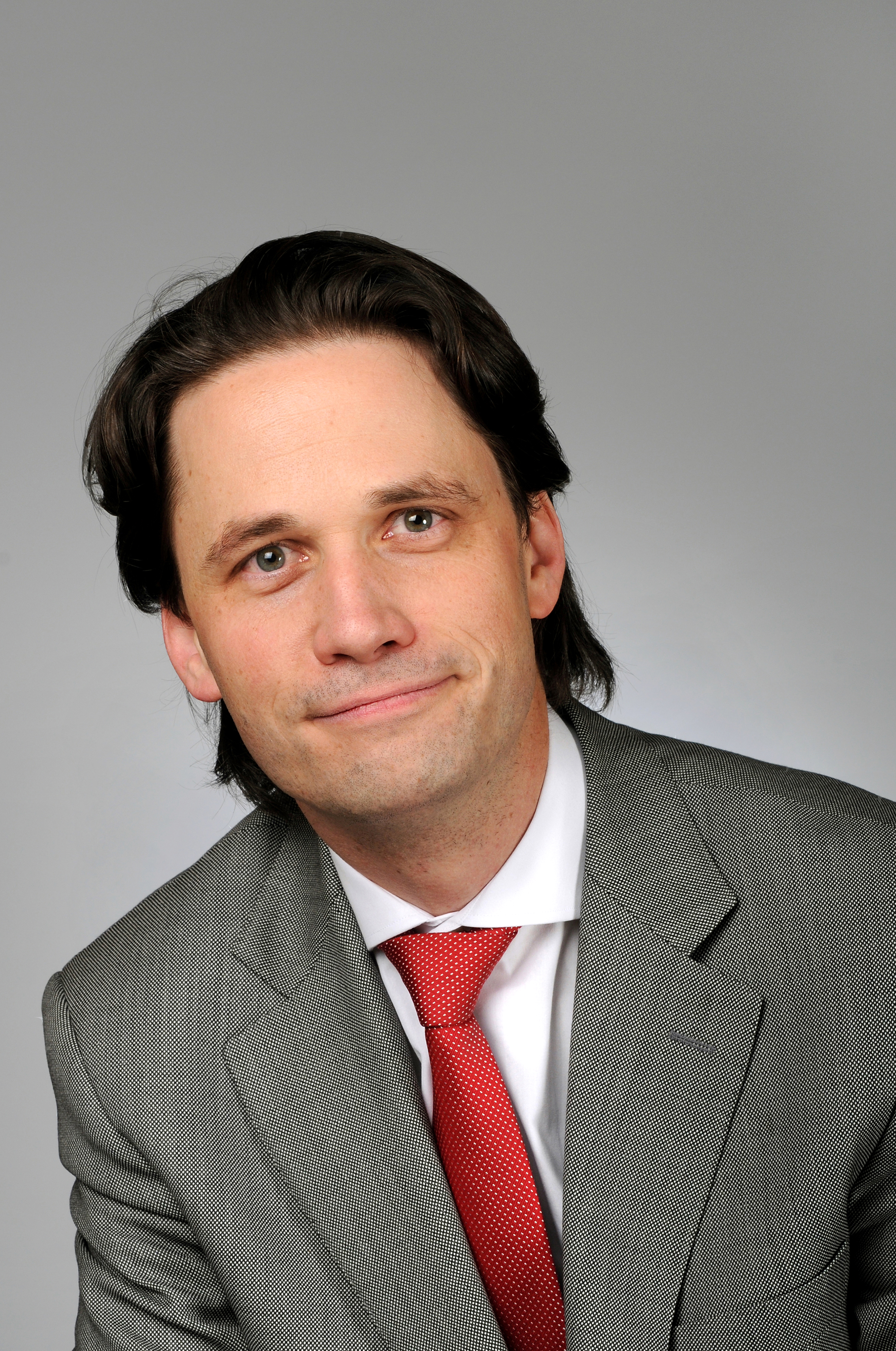
Prof. Yvan Jeanneret, Faculty of Law, UNIGE 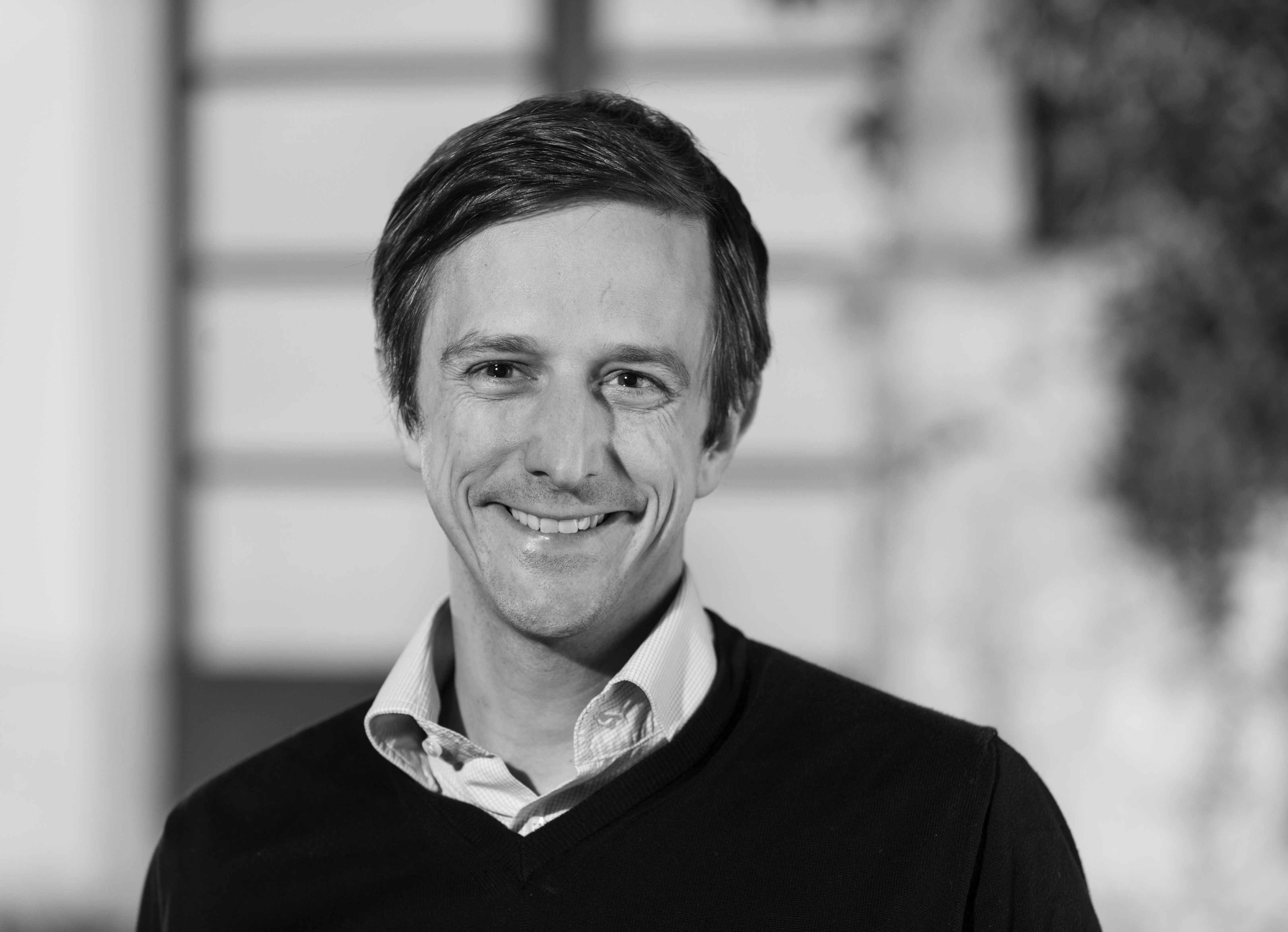
Prof. Marc Thommen, Faculty of Law, UZH
This professorial mobility first emerged as a result of their friendship. They both wanted to exchange with one another, but above all, they each wanted their students to benefit from their colleague’s expertise. To this end, each one travelled to the other university to give lectures in their own working language. For them, the strategic partnership between UZH and UNIGE has been a way to institutionalise their activity and expand it to other disciplines of law.
For Prof. Jeanneret and Prof. Thommen, this project is also the result of a necessity: in Switzerland, “one cannot be a lawyer without being able to easily understand the other main national language” notes the UZH professor. And most of the time, students acknowledge the chance they are given.
Benefits for the students
The professors gladly underline that the vast majority of the students are very interested and happy to participate in these classes. They recognize that following classes in German or French concerning different domains in law is a great opportunity and a door-opener for their future career. This “micro exchange” can even serve to “break the ice” with the foreign language, explains Prof. Thommen. After successfully following a class in the other language, students feel proud of themselves, he notes. This successful experience might give them the courage to pursue their learning in the other language, or even to spend a semester at the other university. Indeed, Prof. Jeanneret is also convinced that it encourages further student mobility. Students may easily ask themselves, he notes, “I succeeded in this class, why wouldn’t I follow a semester in Zurich?” [Note: you can read more about the experiences of exchange students in law in our student testimonials section.]
“There is a double enrichment, quite clearly”
Prof. Yvan Jeanneret
More than just language, this experience is an added value for their studies in law per se. “There is a double enrichment, quite clearly,” affirms Prof. Jeanneret. Firstly, as every professor has their teaching specificities and visions of the field, students discover new perspectives, values, and mindsets that they would otherwise not have been confronted to. And secondly, it is also a question of scientific method. By apprehending different materials in the two main national languages, students can better analyse and compare them – a crucial point when practicing law in Switzerland.
Interested to see how much students retained and understood the classes held by his Swiss-German colleague, Prof. Jeanneret once asked a simple question at an exam on the material taught by Prof. Thommen. While it was possible to know the answer simply by reading the law itself, most students used the exact same German word employed by the UZH professor. “They had hit on the concept, on the word. So I’m pretty sure that the message is getting through,” assures Prof. Jeanneret.
Benefits on the teaching side
If this project is highly beneficial for students, it is not any less for professors and teaching staff. The project was quickly enlarged and now several researchers from different domains in law have joined the endeavour. And even if this experience can be seen at first as very demanding due to the professors’ busy schedules, they all return very satisfied from the trip. “All the professors were very happy to exchange with their colleagues,” says Prof. Thommen. Whether it be personally or professionally, this experience is also an occasion to meet new people and facilitate projects that would probably otherwise not take shape.
While sharing experiences and knowledge with colleagues is valuable, it is even more so with students, thinks Prof. Thommen. For him, the most rewarding was to discover “the view and the way students from Geneva handle things.”
In terms of teaching skills, too, this exchange is very beneficial. Giving a lecture to students in a language other than their native one requires to work on a clear and simple language and structure. Endless or convoluted sentences are detrimental: “it is a re-learning of the basics,” says Prof. Jeanneret. He even compares this exercise to teaching first-year students who are complete beginners.
Because the direct exchange with students is at the heart of the project, the Covid-19 pandemic forced the team to take a break. Now the professors cannot wait to take up the exchanges, meet up again with students and colleagues and keep the ball rolling.
The post Bilingualism in law through the exchange of professors appeared first on UZH - UNIGE.
]]>Together with colleagues, Dr Nazaré Torrão and Prof. Eduardo Jorge de Oliveira created the first Portuguese academic journal in Switzerland, financed in part within the strategic partnership between UZH and UNIGE. One of their main ambitions: reaffirm Portuguese as a language of reflection, thought, and education that has also been shaped by issues of decolonization. During an interview, the two researchers take us behind the scenes of their project, revealing the unifying and inclusive power of the newly-launched journal.

This journal combines literature, history, and cultural studies. It emerged as a direct output of the conferences organised by Nazaré Torrão at the University of Geneva. As a lecturer of Portuguese, it was important to her that the knowledge emanating from those meetings could travel beyond Swiss borders. To this end, the choice of a journal was evident: it is free and easily accessible online. As a significant number of Portuguese speakers come from countries with economic difficulties, reminds us Nazaré Torrão, this was a prerequisite. Nonetheless, the format allows the participation of a large variety of actors. “I love working within a group,” she says. And she is pleased with the result.
A mix of expertise and generations
Several researchers from different horizons have joined the project. Two of them bring a historian’s perspective to the journal, while others add their cultural studies expertise. The participation of a curator adds even more specificity to this rich diversity. These different visions enhance the already very complementary expertise of Nazaré Torrão and Eduardo Jorge de Oliveira. While the former focuses especially on literature and culture in Portugal, Mozambique, and Angola, but also on prose, the latter concentrates on literature, culture, and art in Brazil, with a hint in Portuguese poetry.
Besides expertise, Dr Torrão is fond of the mix of generations: “I like having around people much younger than me and working with others.” This diversity of age and knowledge is reflected in the publications, which shed light on a variety of genres, places, and perspectives.
In addition to being a place of exchange for researchers, this project is also a laboratory for Master’s and doctoral students. By publishing their first articles, they can get familiar with the world of scientific publication. And “their participation is really important,” affirms Prof. de Oliveira.
A diversity of artists and places

Inclusivity and diversity are not limited to the editorial board. They constitute the core of the journal. To entrench Portuguese as a language of thought and reflection, it is not sufficient to present the work of famous authors and artists. “We manage to shed light on artists that would otherwise not be very well known,” explains Dr Torrão. For example, in addition to the interview with Lídia Jorge, an internationally famous writer, the first edition sheds light on the art of Irineu Destourelles, a very talented but presently less known visual artist.
Not only does the journal seek to represent a variety of authors and artists, but it also fully embraces the vast linguistic ecology of Portuguese. “We had the publication of a Cap-Verdian, a Brazilian, even a Swiss writing in Portuguese,” illustrates Nazaré Torrão. And for the editorial board, this mix is fundamental.
Within the international community, be it in Lusophone countries or others like the United States of America, “the journal was immediately well-received,” affirms Prof. de Oliveira. As he further explains, journals were initially platforms where fields of action were outlined. This definition fits Língua-lugar perfectly. Indeed, this project brings researchers, artists and authors from different geographic areas together around one language and fosters important collaborations. But Língua-lugar has an impact not just internationally; in Switzerland, too, it spreads its unifying power.
Portuguese acting as a glue in Switzerland

In this country, Portuguese is one of the most spoken languages after the national ones (German, French, Italian, Romansh). According to Prof. de Oliveira, “it plays a very important role in the linguistic diversity of Switzerland.” The birthplace of this journal being Switzerland was therefore a good way of reaffirming the educational potential of Portuguese here.
But within this vast Swiss diversity, there is often a separation, as Nazaré Torrão notes. To conduct such projects, the German-speaking researchers would more easily seek out within German-speaking countries, and the French-speakers within the French ones. For this journal, it is the other way round. The editorial board embraces this diversity, turning it into an advantage. Experts from different linguistic backgrounds, issued or not from immigration, gather to promote the richness and the complexity of Lusophone cultures. At the end of the day, it is this foreign language that participates in bringing two parts of Switzerland closer.
The editorial board has just published the third issue of the journal. Given its success, the researchers now take their project forward by organising conferences between Geneva and Zurich. Eduardo Jorge de Oliveira and Nazaré Torrão are thus planning to continue sharing knowledge and building bridges with the power of Portuguese language.
The post Língua-lugar: the unifying and inclusive power of a scientific journal appeared first on UZH - UNIGE.
]]>During an academic exchange, courses and language-related issues can be a little troubling. Exchange students from the UZH and UNIGE share their tips to make this process go more smoothly.
Zurich
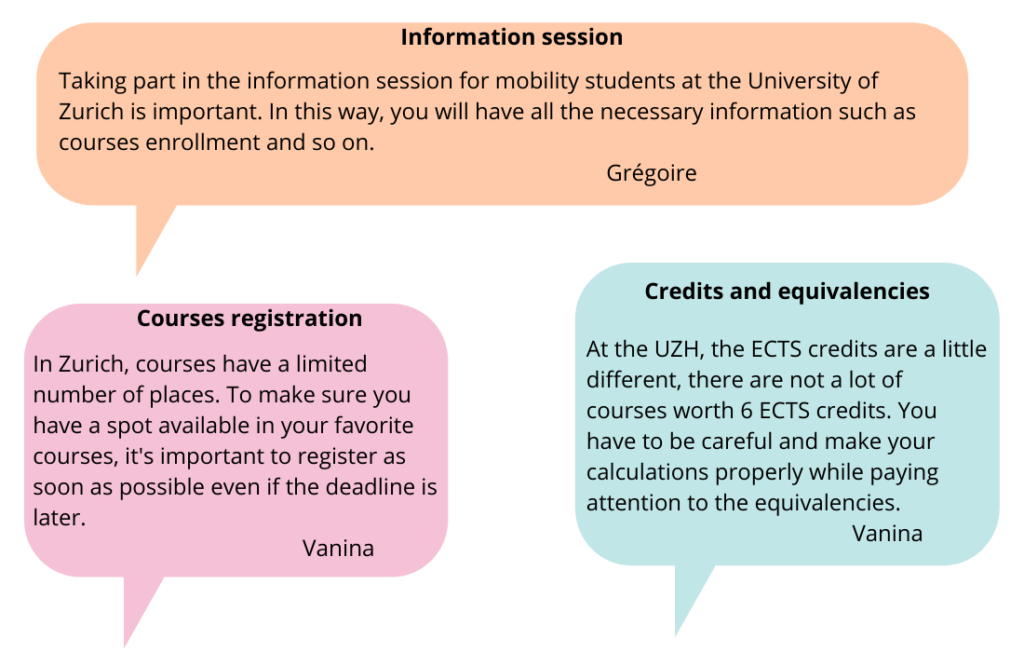
Coming back from an exchange at UZH, UNIGE students share some pieces of advice about courses registration as well as the German language.

Geneva
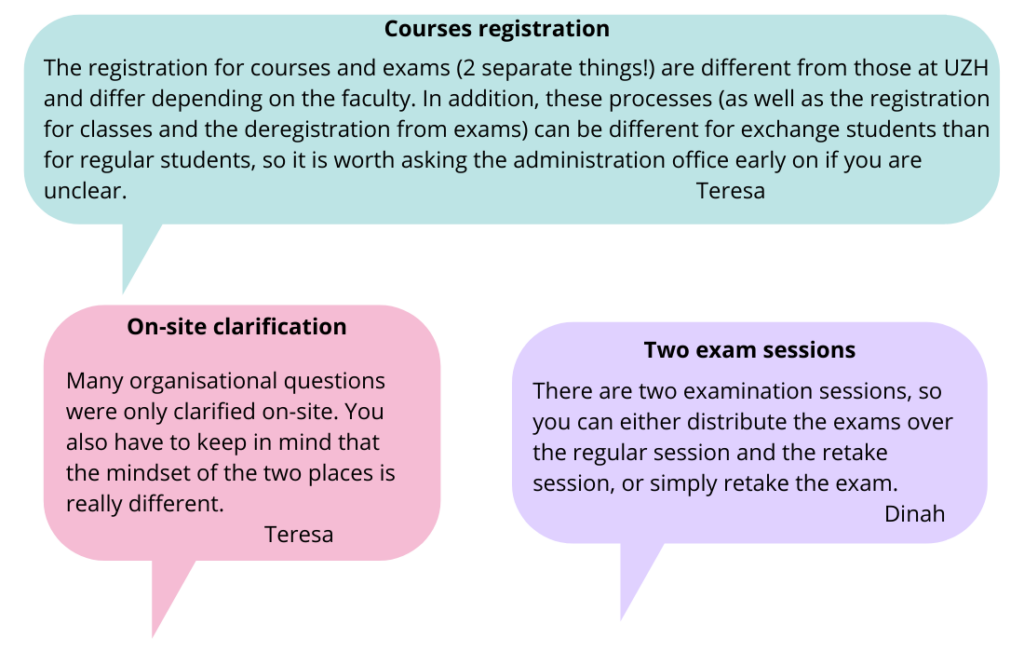
UZH students also share their experiences concerning courses and exam registration at UNIGE. As this process can vary by faculty, it is advised to check the requirements beforehand at the faculty secretariat. UZH students also highlight the opportunity to take free french courses.

Credits: header picture – Freddy Castro
The post Courses and language during the exchange: some suggestions appeared first on UZH - UNIGE.
]]>Discovering a new city is an exciting experience. But finding a place to stay in Zurich as well as in Geneva can be a little strenuous when it comes to an exchange. Previous exchange students agree to this and share their pieces of advice, which may be helpful to future students aspiring an exchange.
GENEVA
Since the range of accommodation in Geneva is limited, it can be difficult to find a suitable home for the stay. Teresa and Kaja both agree. They suggest that starting early when looking for accommodation is key. One option that worked not only for Teresa was to look for apartments on the other side of the border, in neighbouring France, where she found a small apartment in Annemasse, near Geneva. There is a bus to Geneva every 15 minutes and the town offers everything you need for your daily needs. Furthermore, the living costs are much lower compared to Geneva itself. Kaja succeeded through personal contacts and found a nice and welcoming host family through old acquaintances.
“It is worthwhile to start early and to ask around through personal contacts” – Kaja
Other than that, of course the University of Geneva offers a list of possible accommodation. Here, too, starting early could make the difference. It should be noted though that the Bureau des logements de l’Université (BLOG) responds just shortly before the semester starts, and can therefore be a last-minute option if the search has not yet been successful, suggests Sophia, provided that the registration has been made as early as possible.
At last, staying for a short period of 3-4 months, could sometimes make the accommodation hunting more difficult, as Sirina points out, but she found a flat through Airbnb which was “ultimately very good.”
ZURICH
For Zurich, timing seems to be of importance as well. One needs to plan ahead, but too early could be unfruitful as well, says Vanina. Also, sometimes there can be a real selection process to go through during or after the viewing, so travel may be required once in a while. Both Charlotte and Vanina suggest WOKO, which is a student’s cooperative for accommodation, as a good starting point. Other than that, the UZH housing suggestion could be a helpful as well.
Although housing in the city centre is rather expensive, it is more affordable in the surrounding areas such as Oerlikon. WG Zimmer, a website for renting rooms, provides another option, says Estelle, but also social networks, personal contacts and friends’ networks may be helpful in finding a suitable place to stay in Zurich.
“You have to be patient and try everywhere.” – Estelle
On a more important note
In most cases, it may be required to announce your arrival to the authorities, as well as your departure from the canton of origin – make sure to check the formalities! Changing cantons or countries has specific procedures to follow.
Beware of scams on the internet! Never pay for accommodation or a visit in advance without having seen it or the person responsible, and without having a signed contract. For more information, please refer to the following page from the Vaud Police.
Picture credit for the header: Adrian Trinkaus
The post Finding housing during the exchange: some practical tips appeared first on UZH - UNIGE.
]]>On these maps you can find suggestions about some of the favorite places by other exchange students to enjoy the city. Moreover, get an insight of their experience.

Geneva 
Zurich
ZURICH
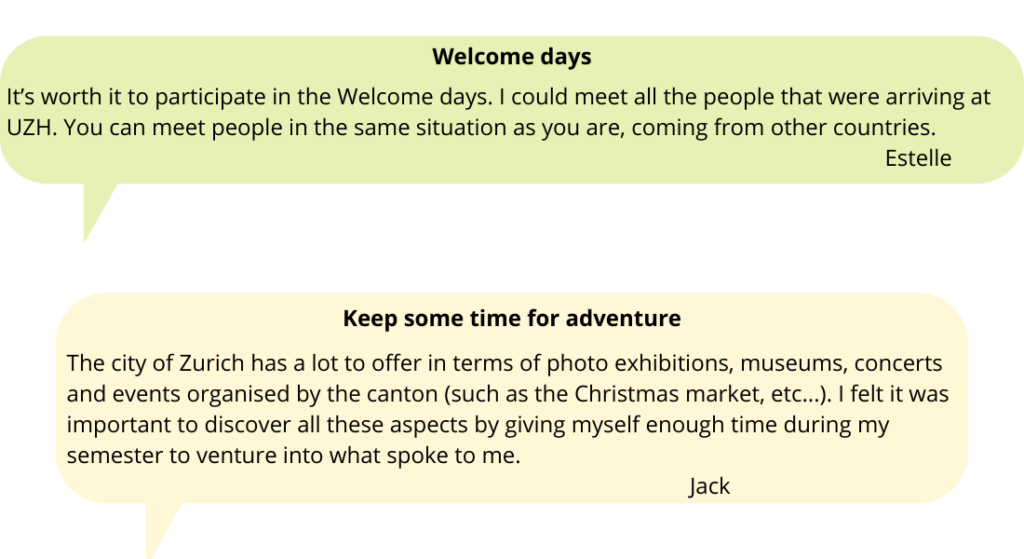
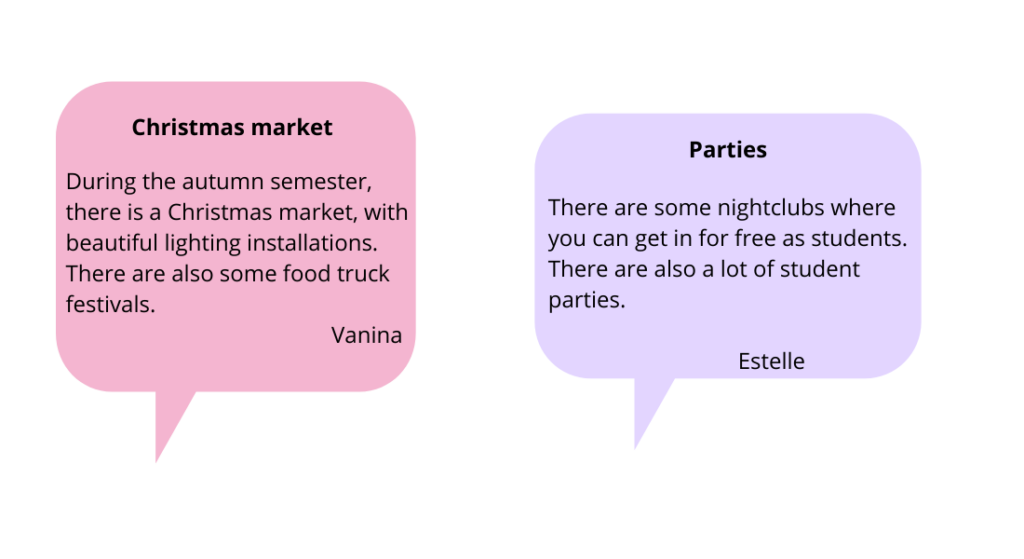
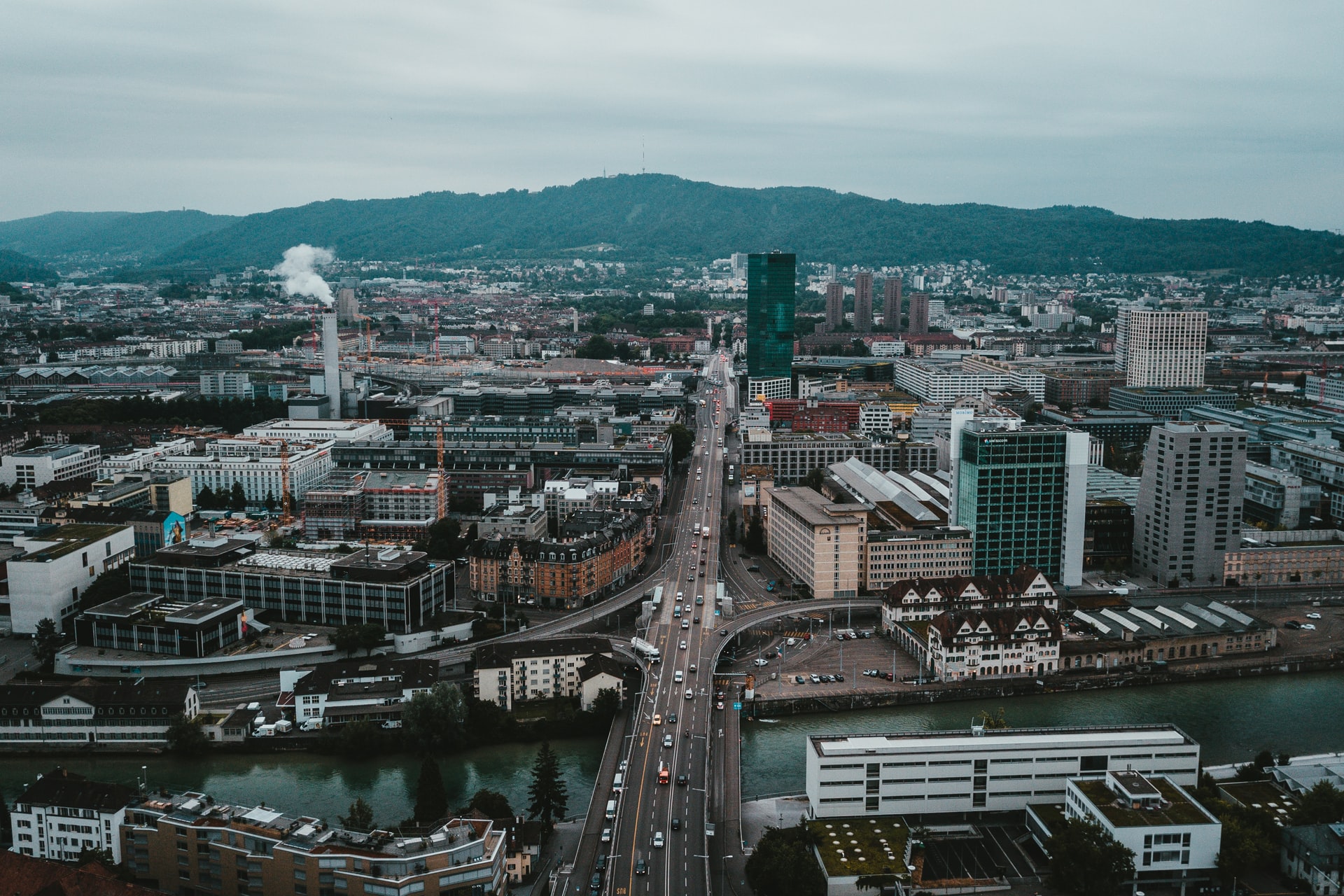
Be it student life, foodtrucks or even Christmas market, Vanina and Charlotte are convinced there is plenty of things to discover in and around Zurich. In terms of sports, the ASVZ offers physical activities to suit all tastes!


GENEVA
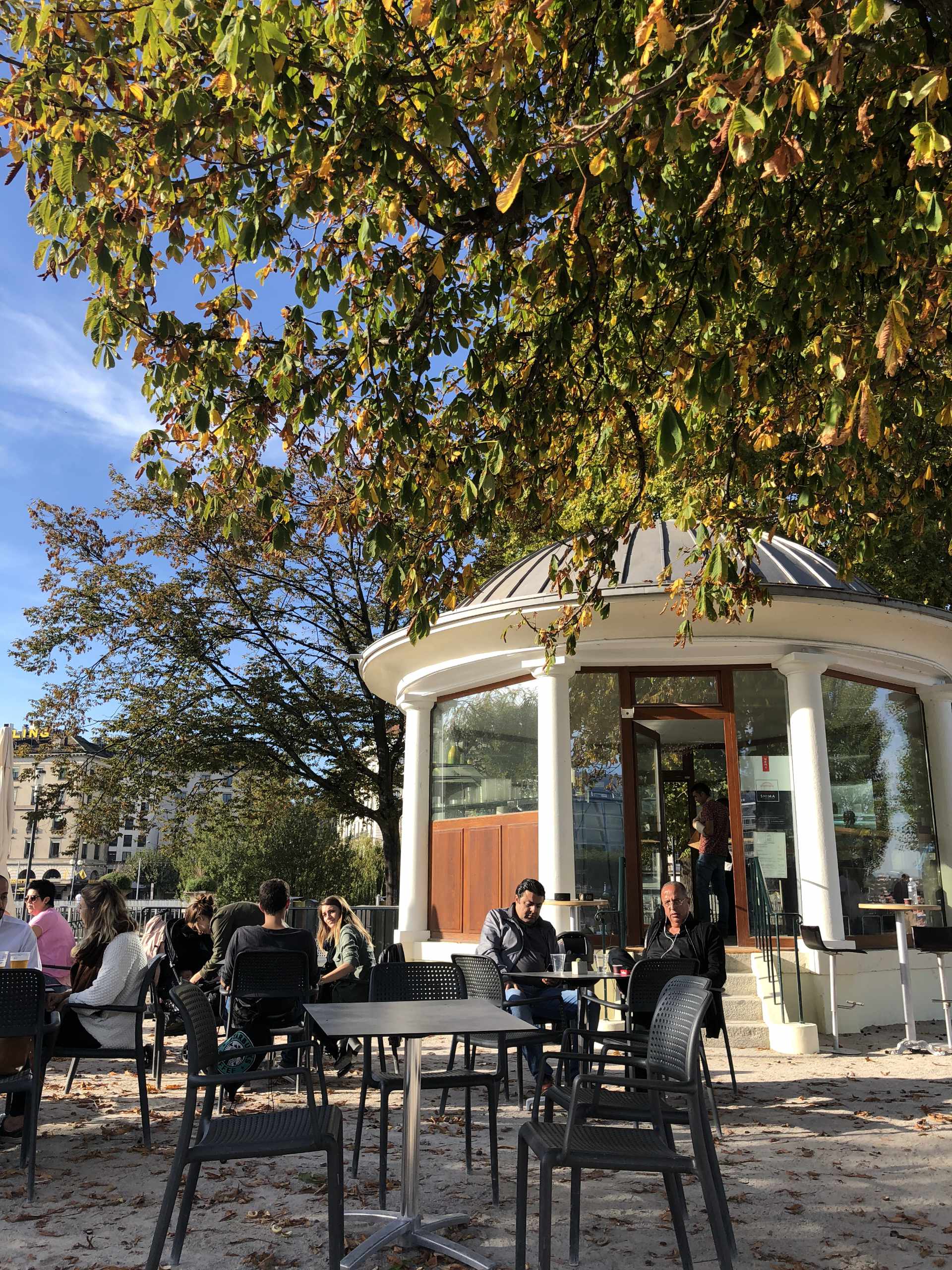
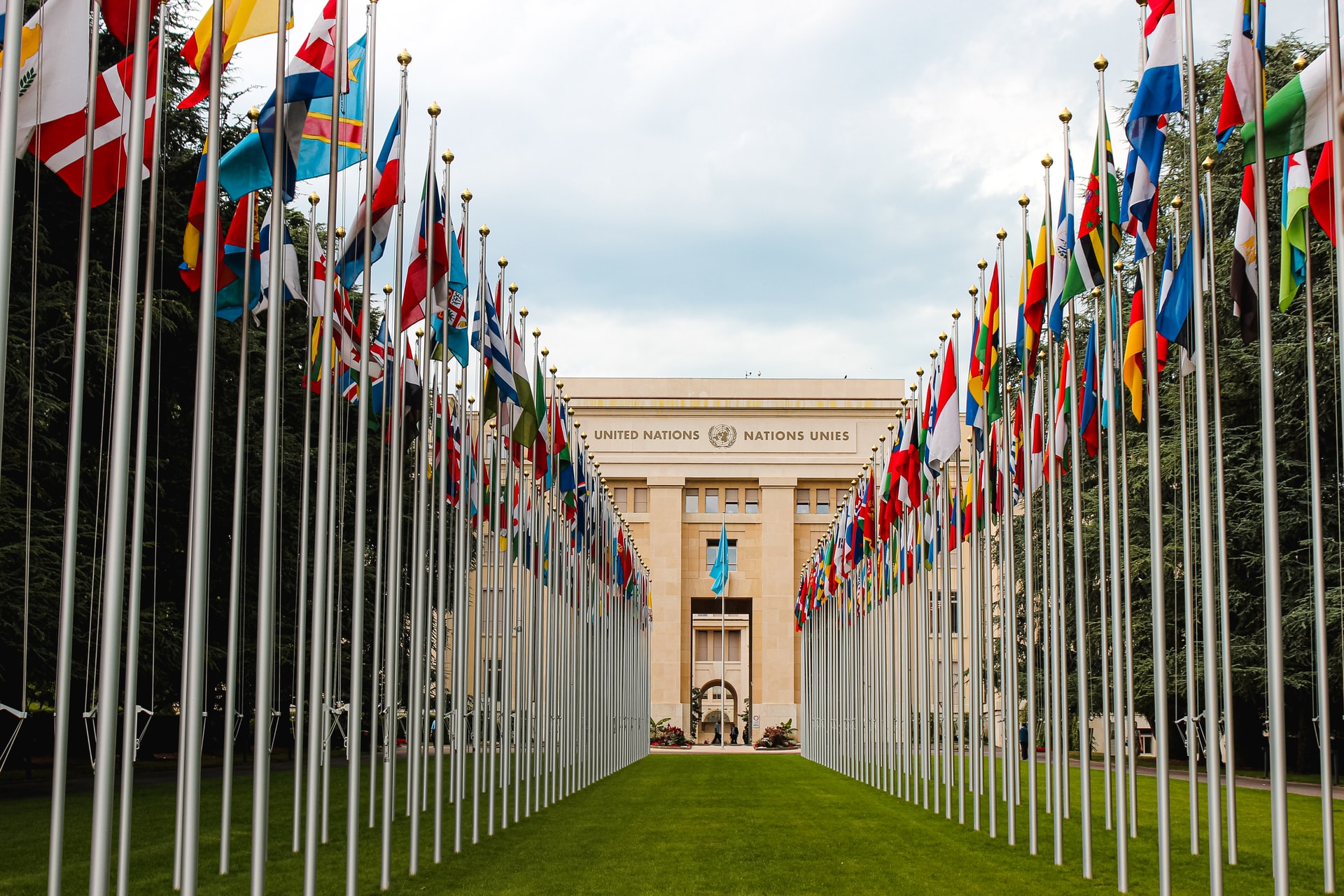
The city itself invites you to explore and offers sightseeing opportunities with its beautiful old town, countless museums and of course the European headquarters of the UN, says Elsa. Concerning physical activities, the UNIGE also offers some great opportunities.

Picture credit for the header: Serhat Beyazkaya
Picture credits for article, first row: Ricardo Gomez, Nirmal Rajendharkumar
Picture credits for article middle row: Dorothea Oldani, Arie Wubben, Claudio Schwarz
Picture credits for article, last row: Nguyen Kim (1,2), Mathias Reding
The post Culture and leisure during the exchange: some suggestions appeared first on UZH - UNIGE.
]]>
During the World Economic Forum Annual Meeting 2020 in Davos, the University of Zurich and the University of Geneva jointly presented two innovative projects. The Swiss Data Cube delivers a unique near real-time capability to track various environmental changes and provides an innovative technology to ensure environmental protection, assess risks or document progress in sustainability policy. For its part, acceleRare is a public-private-patient partnership aiming to bring together existing resources and researchers on rare diseases to develop new drugs and therapies.
Swiss Data Cube
The project was presented during an event organized by the House of Switzerland in Davos on 23 January 2020, by Gregory Giuliani, senior lecturer and head of Digital Earth Unit and Swiss Data Cube project leader at GRID-Geneva, UNIGE Institute of Environmental Science (ISE), and Michael Schaepman, professor at the UZH Department of Geography and now President of the University of Zurich.
The project is part of a collaboration agreed in 2019 between the University of Zurich, University of Geneva, the Swiss Federal Institute for Forest, Snow and Landscape Research (WSL) and UNEP/GRID-Geneva – with the aim of using Earth observation data to strengthen national environmental monitoring. The SDC collects all available data from the American Landsat programme and the European satellite series Sentinel 1 and 2 since 1984 to present.
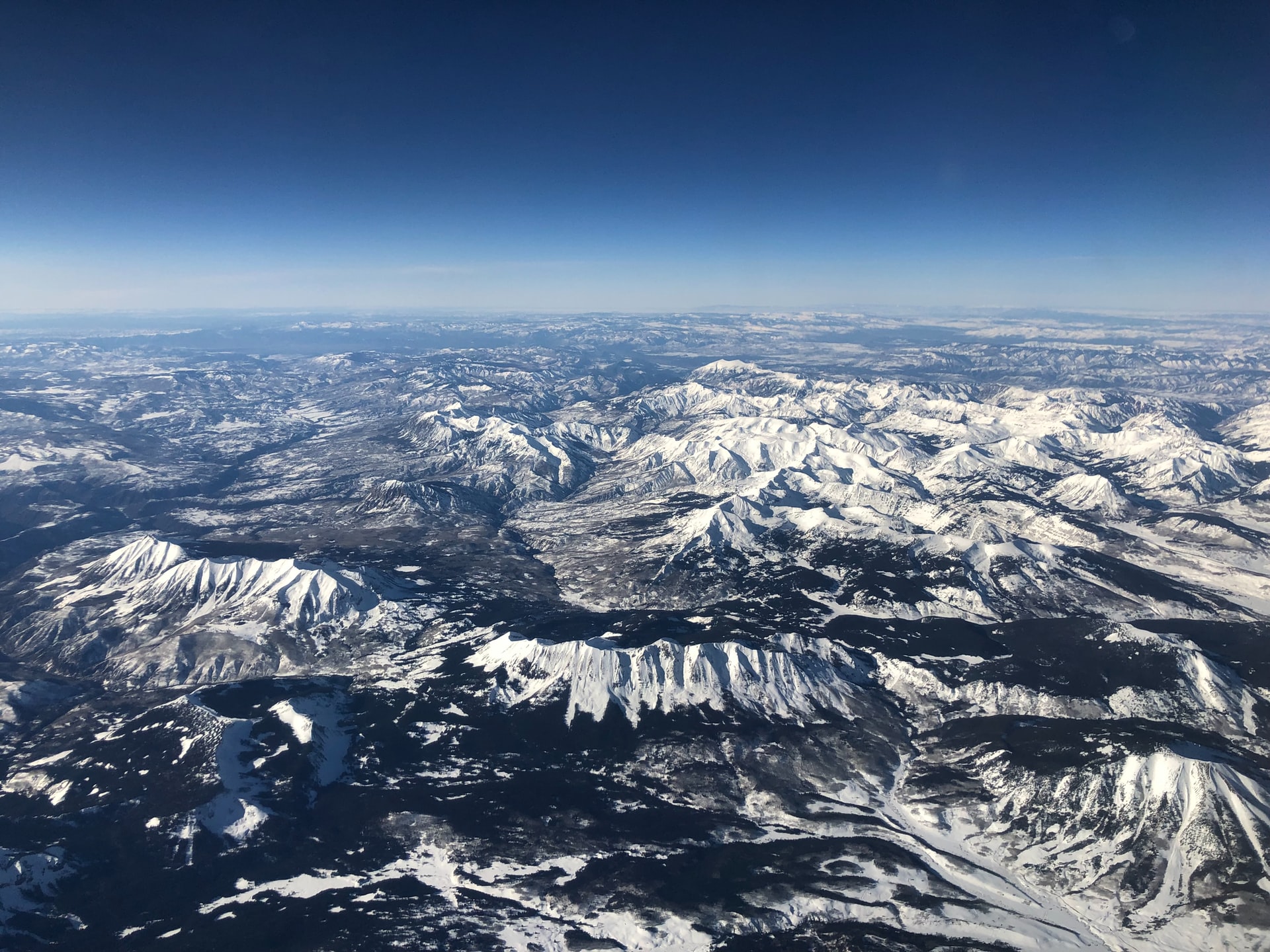
SDC technology provides access to data visualization of the satellite images. This access significantly improves the way users can interact with the data and simplifies the use of the satellite pictures. The added value of this technology is that the most relevant data for Switzerland is selected, gathered in one place, and its accessibility guaranteed in the longer term. The aim is to keep the data as approachable as possible, also without specialist knowledge.
According to Giuliani, “The Swiss Data Cube is an ideal tool to monitor the global sustainable development goals in terms of climate change, water quality, urbanisation or biodiversity and to document them for Switzerland.” And Michael Schaepmann is convinced that “the climate issue cannot be denied. We have to draw attention to it and show that we can make a difference with modern technology.”
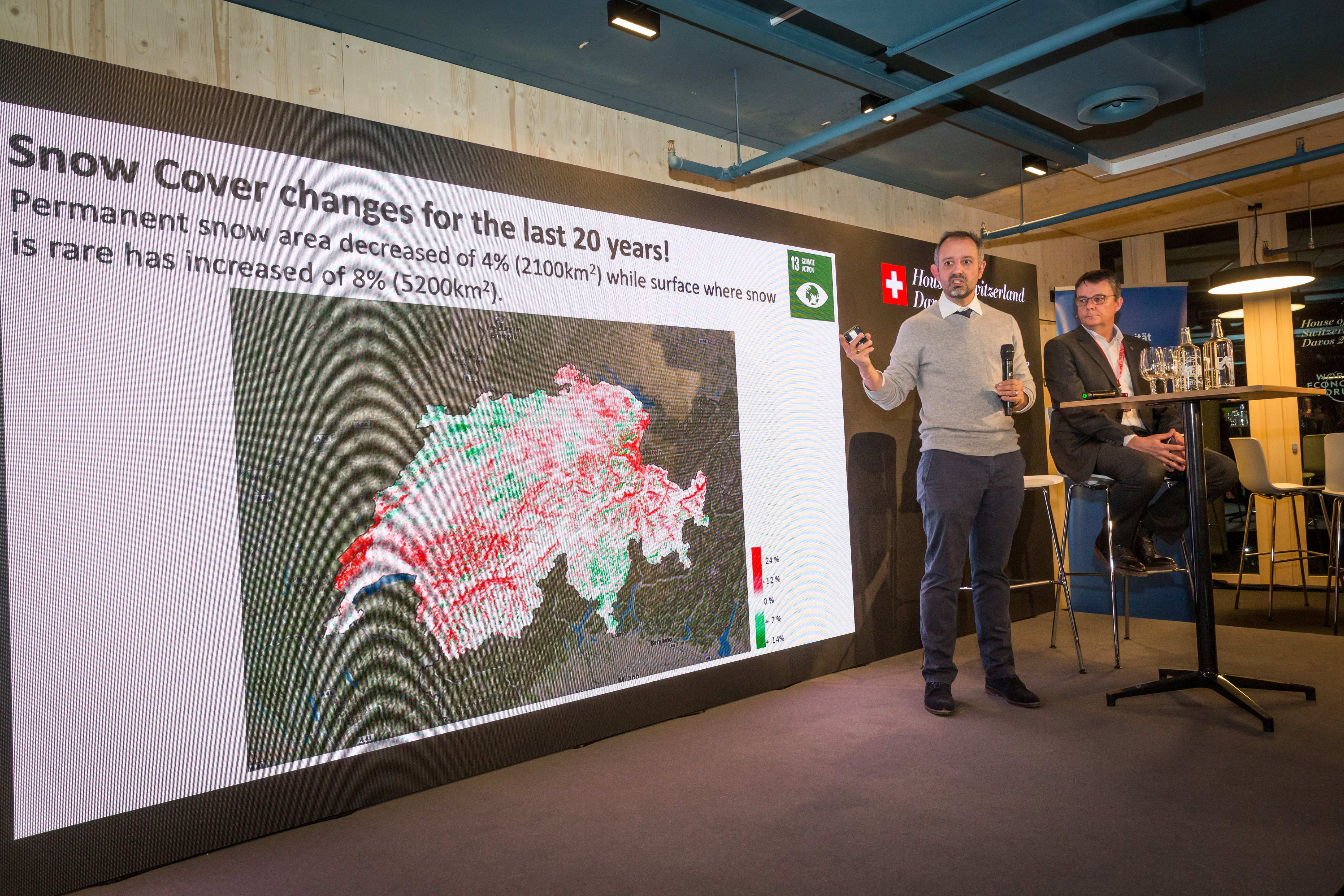
Not only does the SDC gather data but more so can provide information for policy recommendations, spatial planning and environmental assessments. It is hoped that this technology will foster cooperation, ideas and projects and strengthen expertise at national and international level which yields possibilities to compare the results and make better predictions on the development of biodiversity.
AcceleRare
The project AcceleRare, which seeks to combine efforts to create new treatments for rare diseases, was introduced in the framework of a high-level luncheon taking place during the Annual Meeting in Davos. The project was presented by Leonardo Scapozza, professor and head of Pharmaceutical Biochemistry/Chemistry at the UNIGE, along with Jonathan Hall, professor and head of Pharmaceutical Chemistry at the ETH Zurich and Olivier Devuyst, professor and head of Mechanisms of inherited kidney disorders group at the UZH. The presentation showed how this project could inspire national and international stakeholders to come together in order to offer a brighter future to those affected by rare diseases.

The researchers based their approach on the observation that threat caused by rare diseases, affecting around half a million people in Switzerland, is often underestimated. As a consequence, resources and researchers are spread out. To encourage joint efforts, the researchers aim to create a research platform about rare diseases. The objective is to foster collaboration between different important stakeholders such as patient advocacy groups, scholars and the pharmaceutical industry.
Read more about it
UNIGE
https://+/internationalrelations/en/iosngos/pre/events/wef-davos-summit/
https://+/communication/communiques/2019/quatre-institutions-scrutent-la-suisse-depuis-lespace/
UZH
https://www.news.uzh.ch/de/articles/2020/UZH-am-WEF.html
https://www.media.uzh.ch/de/medienmitteilungen/2019/Schweizer-Data-Cube.html
Picture credit for the header: Evangeline Shaw
Picture credit for the article, from top to bottom: Monique Aravantes, Sébastien Crettaz, Michael Longmire
The post WEF 2020 appeared first on UZH - UNIGE.
]]>On the 17th of March 2021, the University of Geneva and the University of Zurich jointly organised a side-event at the UNECE Regional Forum to discuss new ways to shape more resilient societies. Through a discussion moderated by Elizabeth Pfund, Swiss Triple Impact regional coordinator at B Lab Switzerland, a panel of experts from the two universities as well as from the private and public sectors tackled the very vast issue of resilience through different lenses.

Opening the roundtable, Jacques Ducrest, Delegate of the Swiss Federal Council for the 2030 Agenda, declares that “we probably all had a different situation in mind when the Decade of Action to deliver the 2030 sustainable goals was launched in 2019.” Indeed, Covid-19 came as a reminder that there is still a long way to go before attaining a more sustainable world. To move forward in this direction, Jacques Ducrest argues that the three pillars of sustainability brought forward by the United Nations, namely environmental responsibility, social solidarity, and economic performance, have to be kept in balance. To this end, “we cannot respond in silos,” he affirms. And the interrelated consequences of the pandemic seem to prove him right.
Transversal consequences and solutions
Indeed, the Covid-19 pandemic has highlighted the true interconnectedness of all sectors. For example, Stéphanie Dagron, Professor of Law at the University of Geneva, shows how the current health crisis is actually a human rights crisis, revealing long-established social inequalities. Maria J. Santos, Professor in Earth System Science at the University of Zurich, puts forward the challenges brought by concurrent shocks, especially concerning pandemics, biodiversity and climate change. Indeed, those three elements share similar characteristics: they are all non-natural phenomena and, most importantly, they have a strong impact on one another.
While the consequences unfold, solutions can also be found in and across various sectors. According to Ralph Ossa, Professor and Chairman of the Department of Economics at the University of Zurich, international trade is one of them. He explains how resilient international trade has been during the pandemic: as demand for non-tradable goods has suffered, the one for tradable goods has thrived. International trade has thus been a key contributor in the global resilience, allowing to adapt to new living and working conditions, such as the implementation of home office, while at the same time enabling transportation of medical supplies.
For Alois Zwinggi, Chair of the Innovation Council at Innosuisse and Member of the Managing Board at the World Economic Forum, innovation and technology are two important elements to prepare and put production, people and the planet back on their feet. To this end, Innosuisse has launched an initiative to support science innovation dealing with the accelerated digitalisation occurring because of the pandemic, but also tackling the issues of climate change and working towards sustainability.
According to Prof. Stéphanie Dagron, the pre-existing socio-economic crisis drastically undermines the efforts to limit the current pandemic. To palliate those issues, she argues that technical preparation of countries is not enough. Indeed, she is convinced that human rights to health, the right to social protection as well as other socio-economic rights, have to be taken into account in the countries’ preparedness to pandemics. “It is the combined attention for the protection and promotion of all those rights that is in my view essential for a more rapid and sustainable recovery”, she affirms.
Resilience as a pre-emptive activity
“Building resilience is done before things happen, it is a pre-emptive activity. Once you are in reaction mode, it’s too late” indicates Dr Quentin Ladetto, research director at armasuisse, emphasising the importance of foresight. More than forecast, he argues, foresight is about “opening minds, presenting alternatives, challenging assumptions and removing cognitive biases.” The invisible has thus to become visible, the unpredictable to become predictable. Yet, to make sense of multisectoral and global challenges, a transversal approach is key.
“Resilience does not exist in isolation, but as a world community”
Dr Amanda Hosken
For Dr Amanda Hosken, Global Head of Life and Health Solutions at Swiss Re, it is thus crucial that people who have data and knowledge take the responsibility to share information. This is the only way to initiate a crucial global discussion across civil society, public, private and academic sectors. Indeed, she reaffirms, “resilience does not exist in isolation, but as a world community”.
What now?
“No rocket science, but practical down to earth steps: know against what to be resilient, prioritise, act”
Dr Quentin Ladetto
What are the concrete actions to take in order to set up this much-needed resilience across sectors? To illustrate this point, Dr Quentin Ladetto suggests a telling metaphor: “building resilience is like building a forest”. To ensure every single tree grows, actors have to determine priorities and make decisions accordingly. This is “no rocket science”, he explains, “but practical down to earth steps: know against what to be resilient, prioritise, act”. For the first leaves to grow, a society should dedicate resources to foresight.
The “Shaping Resilient Societies” initiative will continue to bring actors together and initiate concrete actions towards resilience.
Watch the «Best of» video of the event.
The post Roundtable at the UNECE Regional Forum on Sustainable Development appeared first on UZH - UNIGE.
]]>When it comes to academic exchanges, possibilities of destinations seem endless and for every taste, some more exotic than others. Opting for a national exchange, however, may be a less obvious choice. Breaking stereotypes and putting down apprehensions, some UNIGE and UZH students who took part in an exchange programme between the two universities have shared their experience, revealing the perks of a Swiss adventure.
Whether to discover more about Switzerland, to learn a national language or to embrace the vast diversity of their study field, the reasons behind the students’ choice to do a student exchange between the two cities vary. However, their testimonials all have this in common: going on an exchange in Switzerland offers its own unique opportunities and is thus worth just as any other.
Changing scenery while still staying at home
Doing an exchange is often synonymous with a change of air, discovering new places and different cultures. While going abroad is often seen as the only option, staying in Switzerland can also offer a cultural escape. Having tried the experience, Charlotte, a law student, is convinced, “we can change scenery even by staying in Switzerland.” Several students from the French-speaking and German-speaking parts of Switzerland agree that the mindset as well as diverse cultural aspects are different on the other side of the language divide.
“These same things that are so different.”
Estelle
And still, in some corners, students find familiar institutions and landmarks; “these same things that are so different,” comments Estelle. It is this duality that attracts Vanina in a national exchange. While living in a different atmosphere, she appreciated being in the same country and being able to go home easily. As Kim notes, the three hours train ride from Geneva to Zurich only felt like 30 minutes.
A comprehensive view of the disciplines
Switzerland has the particularity of holding an astonishing diversity within a very small area. Accordingly, students highlight the importance of apprehending their discipline from another part of the country. For instance, Grégoire points out that in law, 70% of the legal content and practice is in German, 30% is in French, but the material forms a comprehensive whole. Recalling one of his professor’s words, he uses the following meaningful metaphor: “If you go to the doctor and he tells you ‘I only know 30% of the material, the rest is not in my language’ or another doctor who says, ‘I know the subject 100%’, who do you chose?” After all, it is almost a necessity for a practicing lawyer in Switzerland to master two national languages.
Based on the same observation, Estelle, student in educational science in Geneva, “wanted to know better how it was elsewhere” in Switzerland. Kim and Elsa, both law students at the University of Zurich, have benefited from the different expertise of the two largest comprehensive universities in Switzerland. Indeed, they had the opportunity to follow international law classes at the University of Geneva, learning from renowned experts.
A national language catalyst
“It was a key experience that I recommend to every ‘French-anxious’ person!”
Kim
Almost all interviewed students agree on the added value of a Swiss exchange in terms of language. While knowing every additional language is an asset, mastering an additional national one proves to be an added value to work in Switzerland. Indeed, Estelle and Grégoire agree, it is a particular strength to put forward on their CV. Still, be it French or German, the two languages can be tough to tackle. As a French-speaker, Charlotte is optimistic: “Don’t be afraid and go for it!”, according to this law student, the best way to improve is to practice. After a few intense weeks of natural acclimation, “it was a key experience that I recommend to every ‘French-anxious’ person!” agrees Kim.
To assure a smooth transition, both universities offer different options to practice the language. The Law Department of the University of Zurich, for instance, offers a Buddy Program, and there are different tandem opportunities. In Geneva, “as an exchange student, you can take language courses free of charge, which I think is a thoughtful offer that I can recommend”, affirms Kaja.
“There is less paperwork than for going abroad, by the way”
Elsa
Going on an exchange in Switzerland is not only beneficial for reinforcing studies and learning about Switzerland in its variety, but more so, “there is less paperwork than for going abroad, by the way”, claims Elsa. This administrative ease allows to devote time for other important tasks, such as finding housing or simply concentrating with more ease on the studies.
Doing a student exchange within Switzerland means all the perks of travel, discovery, change of scenery, new professors and classes, new friends, and better language skills, minus the hassle of much paperwork, visa or insurance issues.
Credit for the picture in the header: Jacques Erard, Université de Genève
The post The perks of a national exchange appeared first on UZH - UNIGE.
]]>